Making a Newsroom Indispensable: Building a Community-Focused Audience Strategy
Growing a subscriber base is one thing. Building a community that trusts you enough to stay, engage, and share the hardest stories, that takes a different kind of work entirely.
Community Strategy · Audience Development · Subscriber Retention
The Context
The Baltimore Banner launched in 2022 with a founding mission to be "an indispensable resource" for Baltimore. Indispensable is an ambitious word. It doesn't just mean useful, it means irreplaceable. It means readers would feel your absence.
Getting there required more than good journalism. It required a deliberate, sustained strategy to build the kind of relationship with readers that turns a news organization into a community institution. That's the work I led across three years at The Banner, and the work that made everything else possible.
The guiding principle behind all of it (and one of my personal audience mantras): speak with the community, not at it.
The Work
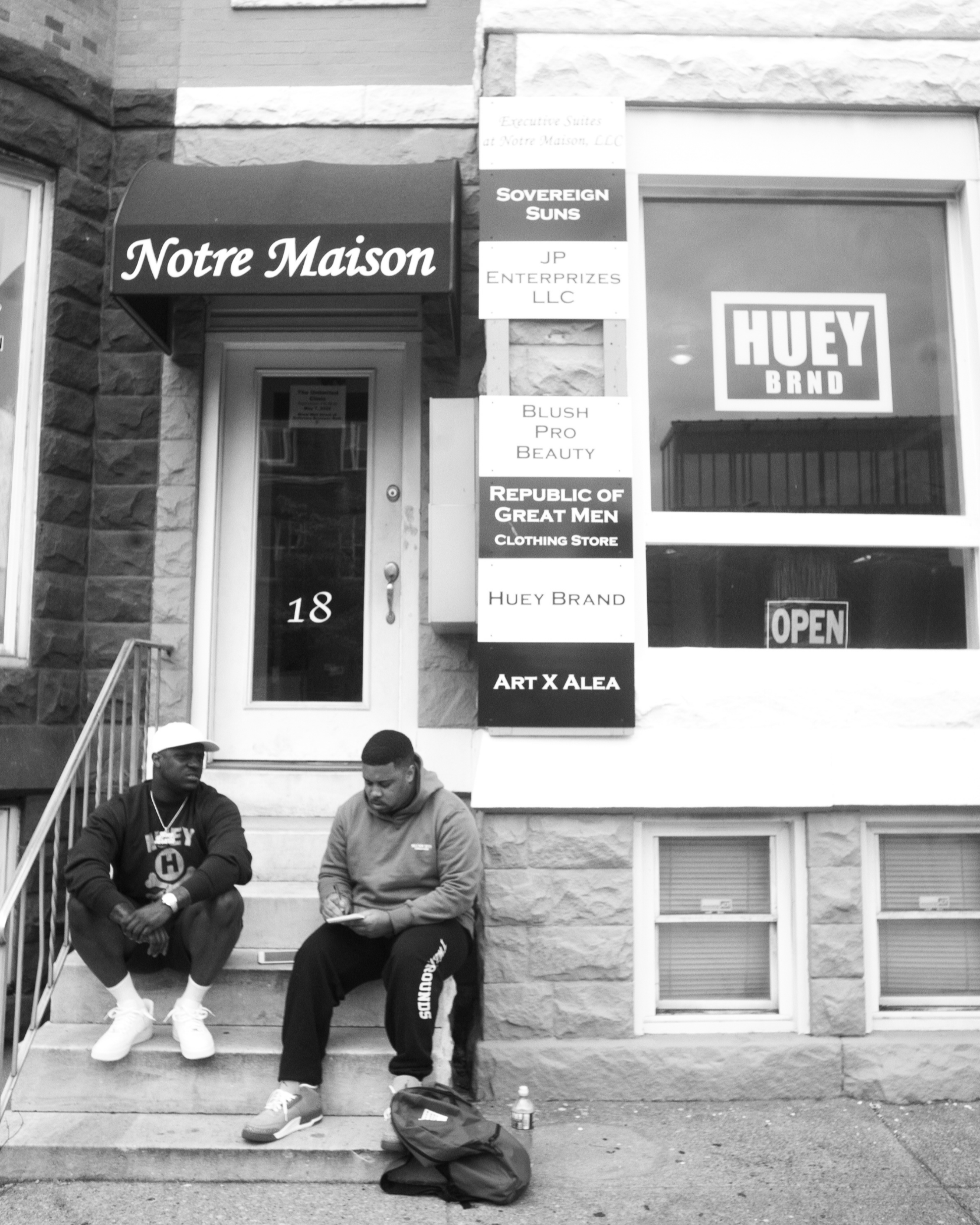
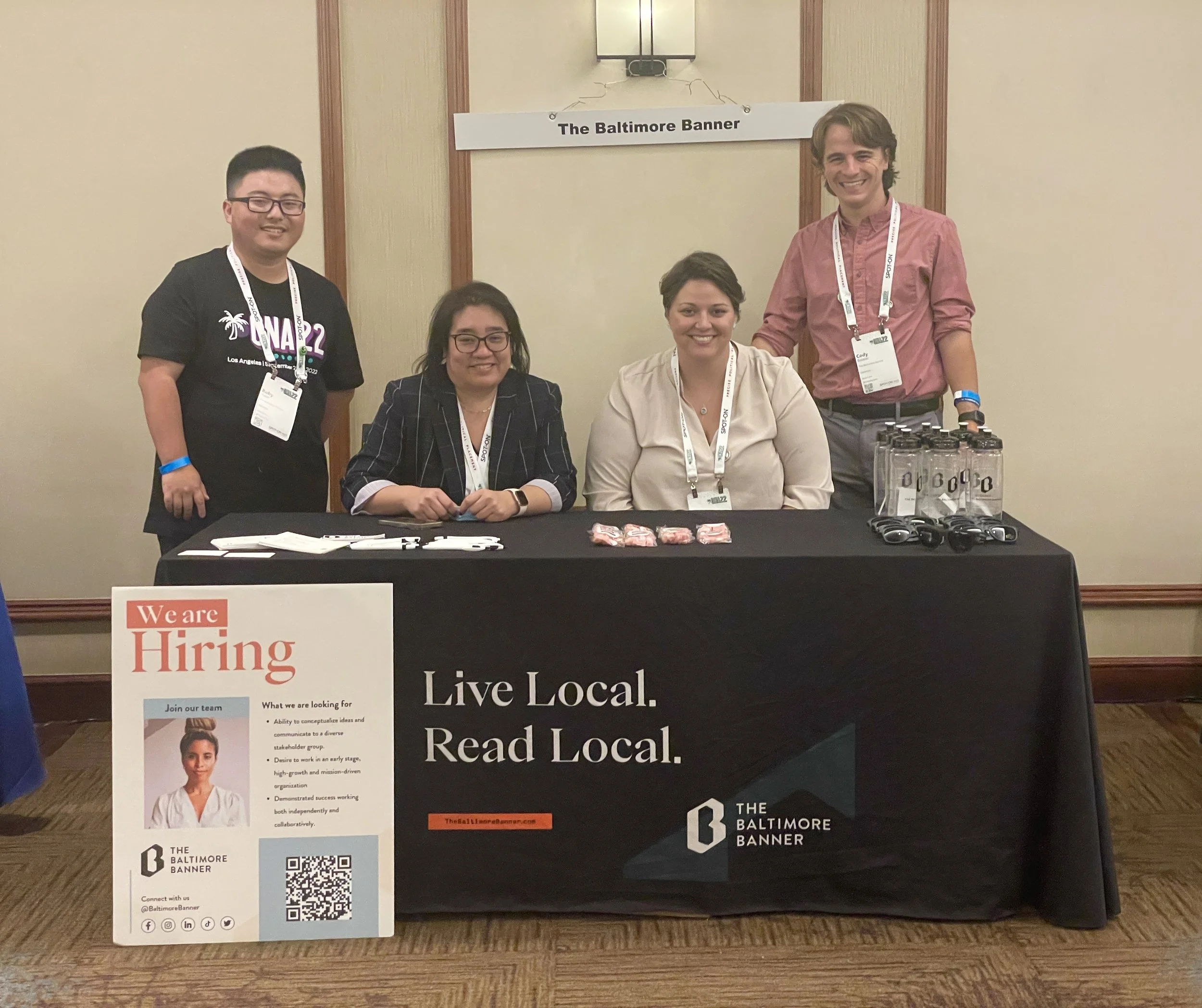
Getting into the community physically. We conducted a neighborhood and community association meeting tour across 25 communities, using a "take me on a tour" approach that invited residents to show us their neighborhood, tell us about its biggest accomplishments and challenges, and tell us what The Banner could do to amplify their voice. This listening posture shaped our editorial priorities more than any analytics dashboard could.
Building a social presence that felt like Baltimore. The city was a social media news desert when The Banner launched, an opportunity we moved quickly to fill. Rather than just automating traditional social content, I built a social-first video strategy that recruited social video talent, prioritized visual-first platforms, and pioneered a journalists-as-creators model. The result: 162K Instagram followers and 79.4K TikTok followers, with individual videos reaching hundreds of thousands of views.
Visuals as community relationship. The Banner's visual strategy was intentionally community-rooted. We built artist meet and greets, maintained an intentionally large freelance budget to ensure community representation, partnered with local college classes, and organized community photo events. These were genuine investments in the communities we covered.
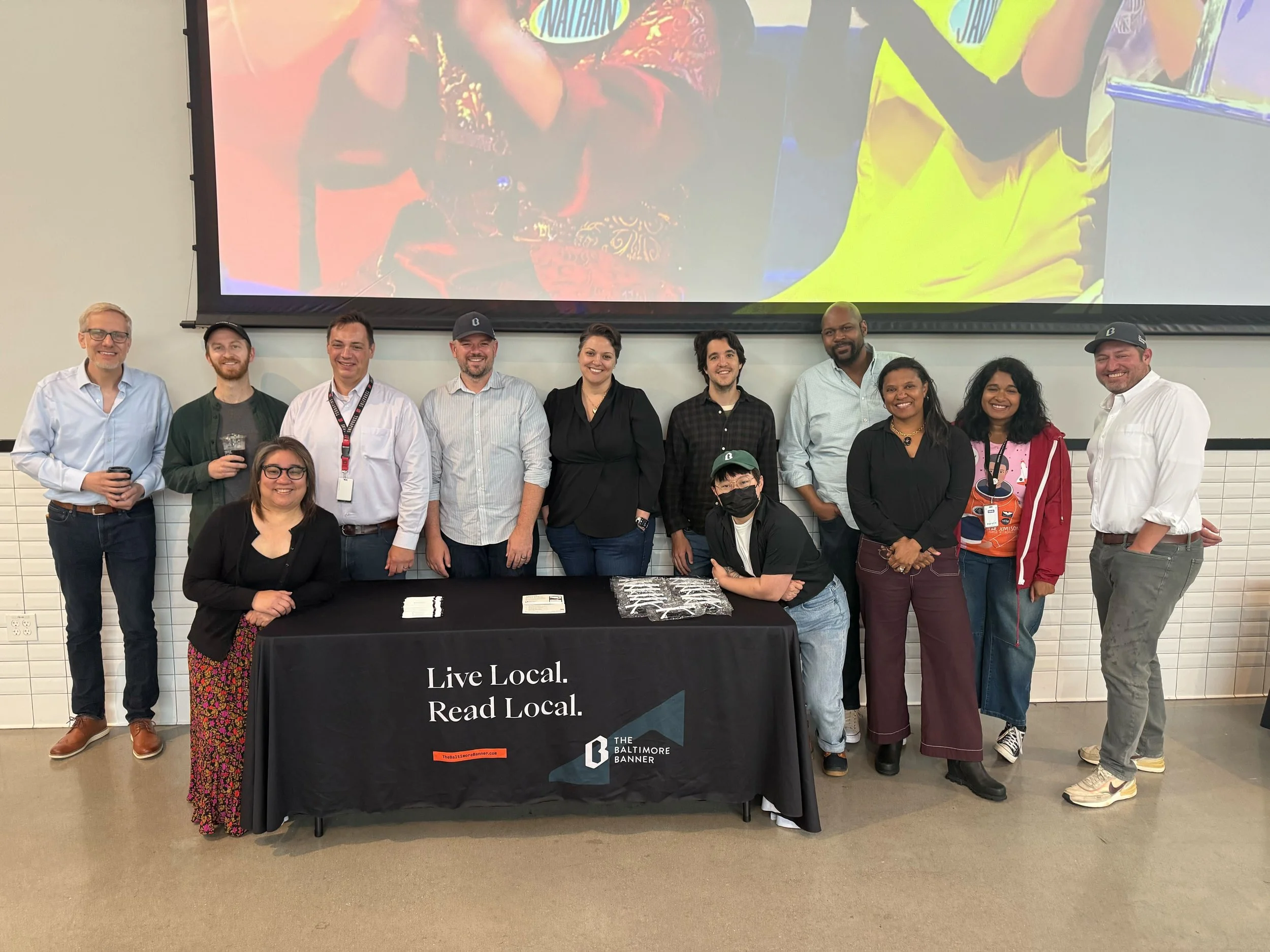
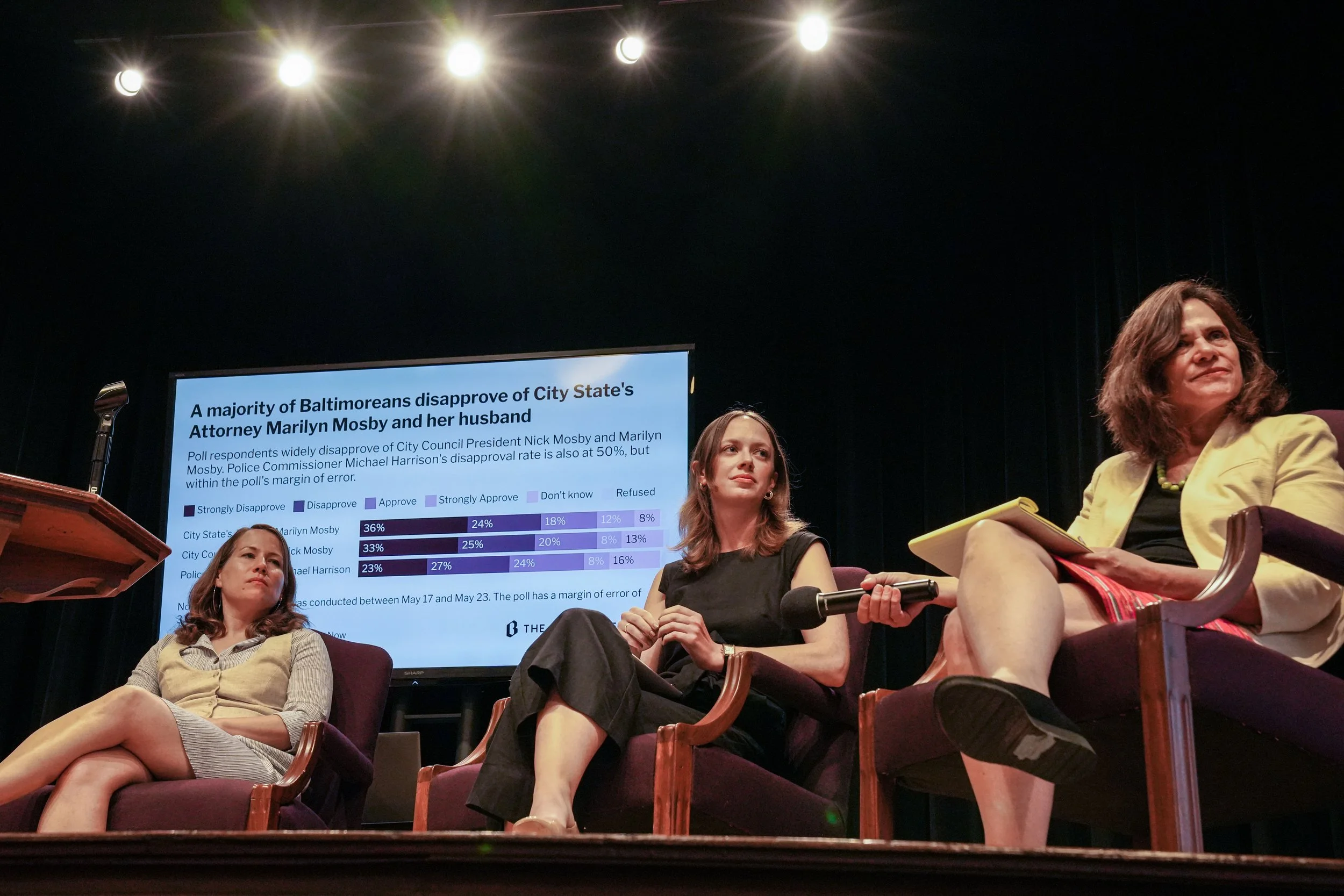
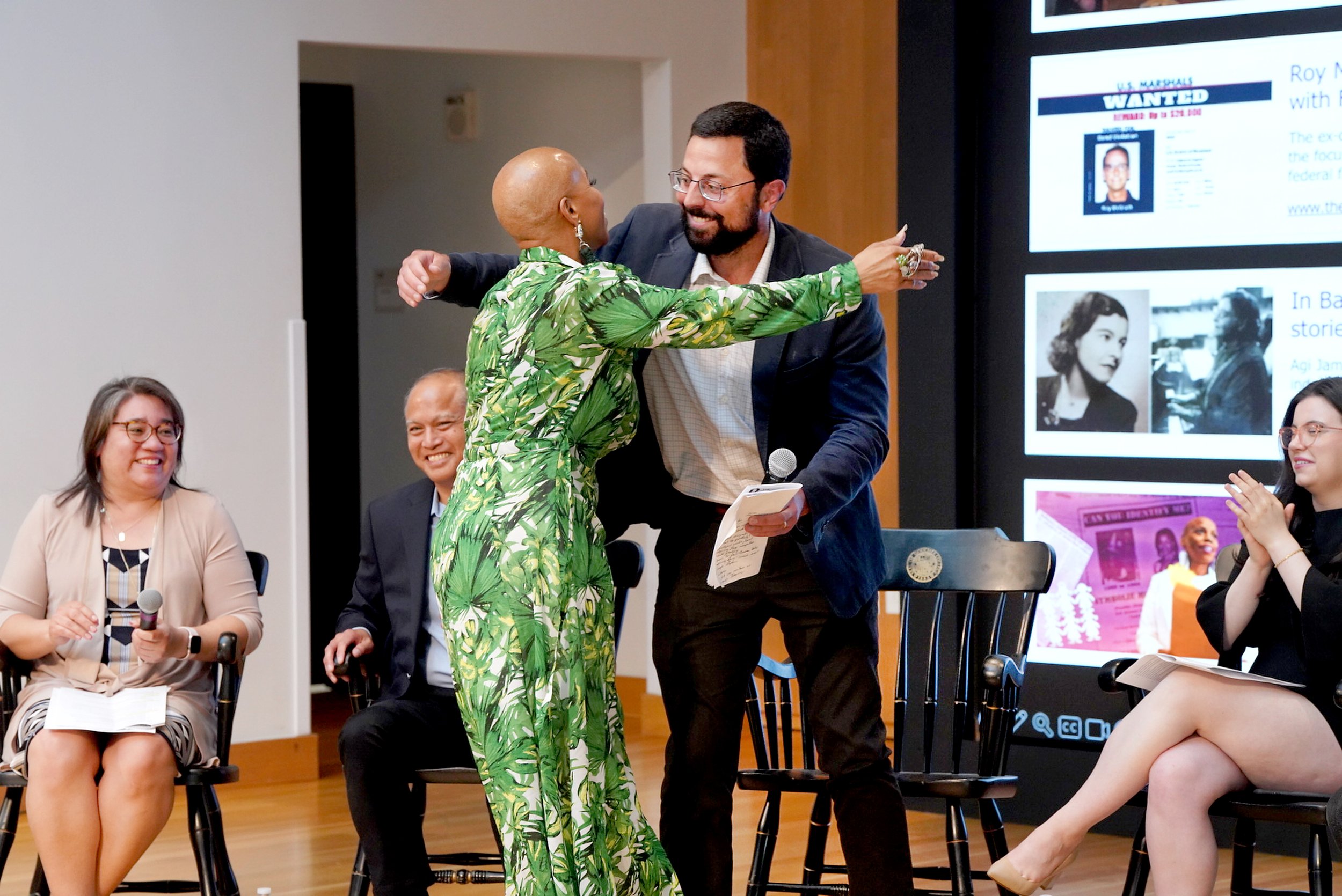
Events that created real connection. We built an events program that included Banner Revealed events, behind-the-story webinars, subscriber-only roundtables with our audience, and reporter coffee shop drop-ins in neighborhoods. We also launched an Emerging Leaders awards program, an annual impact report, and an employee volunteering and mentorship program. We made The Banner a presence in Baltimore, not just a website.
A subscriber value proposition built around community. I led the development of a subscriber value prop program that launched in April 2024, including audio versions of articles for app subscribers, subscriber-only newsletters, subscriber-only roundtables, premium content rebranded as "How to Maryland," free guest subscriptions, and eventually subscriber comments on select articles. The goal was to make a Banner subscription feel like membership in something, not just access to content. By January 2025, the 6-month retention rate had risen to 56.3%.
Editorial products built for Baltimore. We launched obituaries, a highly requested feature that mattered deeply to families across the city. We built a Voter Guide. We partnered with Hearken to add an editorial beat driven by reader questions, called “Better Baltimore.” We gave library cardholders free access to Banner content. Each of these decisions was grounded in the same question: what does this community actually need from us?
Training the newsroom to think audience-first. None of this works if the newsroom isn't aligned. I implemented a three-part Google Analytics and SEO training program across the full staff. I built a pitch system that required reporters to answer three questions before every story: Who is the audience? Why do they care? What is the potential impact? Audience thinking became embedded in how the newsroom operated, not bolted on afterward.
The Capstone
In 2025, The Baltimore Banner won the Pulitzer Prize for Local Reporting for a series on Baltimore's overdose crisis, some of the most difficult, intimate journalism the newsroom had ever published. I was one of the editors on the project overseeing digital, visual and audience strategy.
The project only happened because photojournalist Jessica Gallagher and reporter Alissa Zhu spent hours building trust, traveling into sometimes dangerous conditions to make inroads with a deeply guardede community. Trust in The Banner was built over time, with heavy investment and it shows in the reporting, stunning photography and the digital and audience presentations.
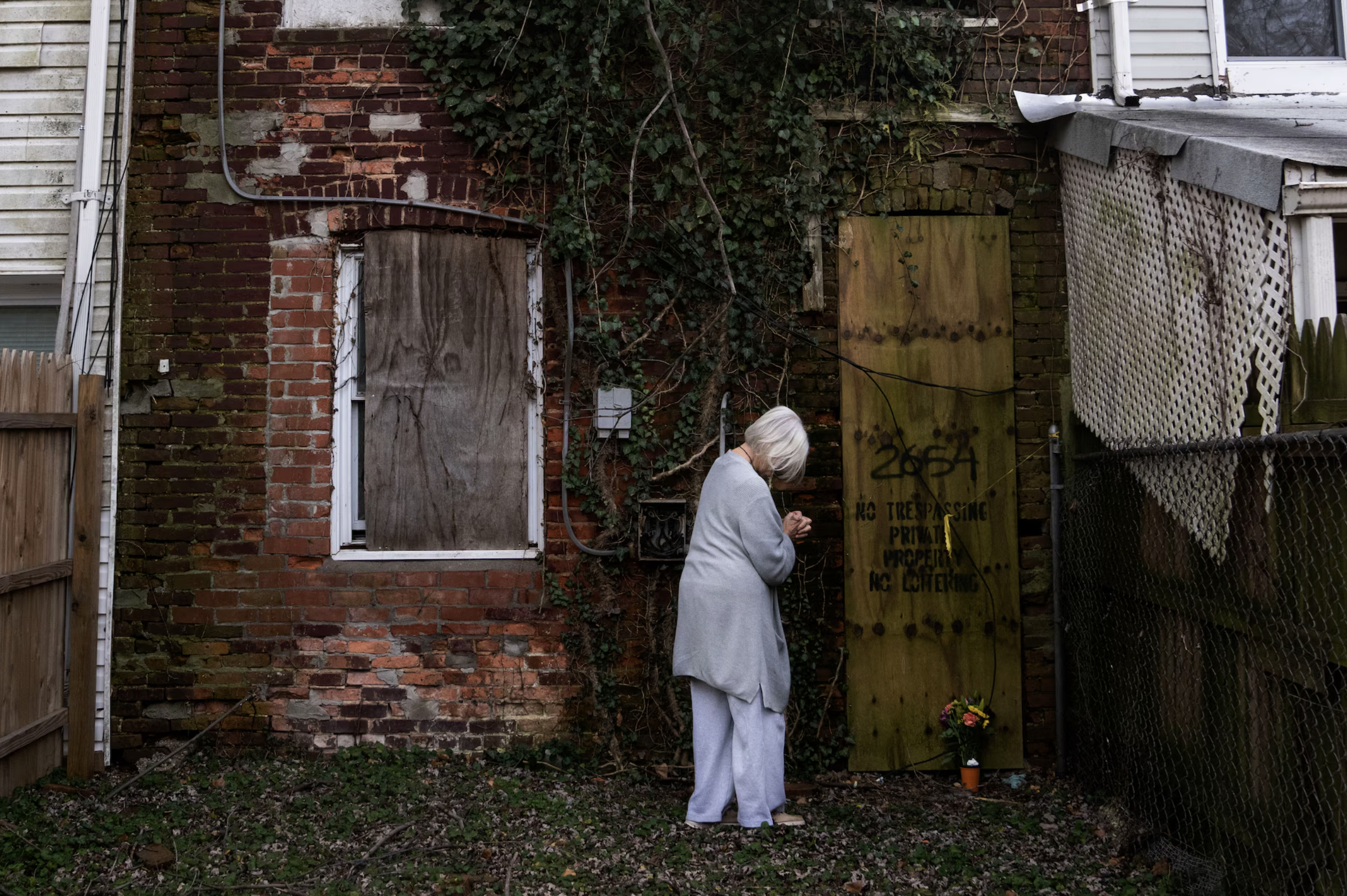
Jessica Gallagher/The Banner
The Outcome
By the time I left The Baltimore Banner, the organization had 62,000 paid digital subscribers, a newsletter portfolio of 14, a social media presence reaching hundreds of thousands of Baltimoreans, and a community reputation that made it Maryland's leading news source. The retention rate had risen from below budget to 56.3%. And the newsroom had a Pulitzer Prize.
None of that happens without community trust. And community trust doesn't happen by accident.
WHAT THIS ILLUSTRATES
Audience strategy is often talked about as a data problem. I think it's a relationship problem first. The data tells you what's working, but you have to do the work of actually showing up, listening, and building something people care about before the data has anything meaningful to measure.
This is the work I love most. And it's the work I can help your organization do.