Building the Desk That Was Ready When It Mattered
How a structured, audience-first breaking news operation became the engine behind The Baltimore Banner's growth — and the reason we were ready when the Francis Scott Key Bridge collapsed.
Breaking News · Audience Strategy · Editorial Operations
The Context
When The Baltimore Banner launched in June 2022, breaking news was not part of the plan. The newsroom's founding mandate was enterprise journalism — deep, reported, community-focused work. Breaking news felt like a distraction from that mission.
Readers disagreed. Audience data made clear that Baltimoreans wanted The Banner to show up for breaking news. So the newsroom pivoted, building a basic breaking news operation from scratch. An Express Desk was created, a small team whose job was to move fast.
But fast without structure is just noise. When I took over the Express Desk in early 2024, the team was capable but operating without a clear system. No consistent pitch process. No shift structure aligned to when readers were actually online. No defined content priorities grounded in audience data.
Early Results
The results came fast. Within the first two months of the new structure:
176% increase in average stories per week produced by the Express Desk
286% increase in new visitors per month
400% increase in county subscription starts attributed to the Express Desk
The desk had become a top-of-funnel growth engine, not just a news operation.
The Work
The first thing I did was add structure — not to slow the team down, but to make them faster in the right direction.
Audience-first pitch sessions. I implemented AM and PM pitch meetings where every team member was required to come with audience-first pitches — stories grounded in what readers were searching for, talking about, and needed to know. The question wasn't "what happened?" — it was "who is the audience for this, why do they care, and what is the potential impact?"
Shift restructuring. I analyzed reader traffic patterns and restructured shifts to start earlier, aligning the team's output with the morning influx of readers. Coverage that used to miss the morning window now hit when readers were actually looking.
Content focus. Using analytics and audience data, I identified five high-traffic, high-conversion topic areas for the desk to prioritize: food and drink, regional coverage, education, transportation, and business. This gave reporters a framework for finding stories in the zeitgeist rather than chasing whatever was loudest.
Training and feedback. I built a training program focused on helping reporters identify audience-relevant stories — not just breaking news, but the kind of breaking news that converts readers into subscribers.
Then the bridge collapsed
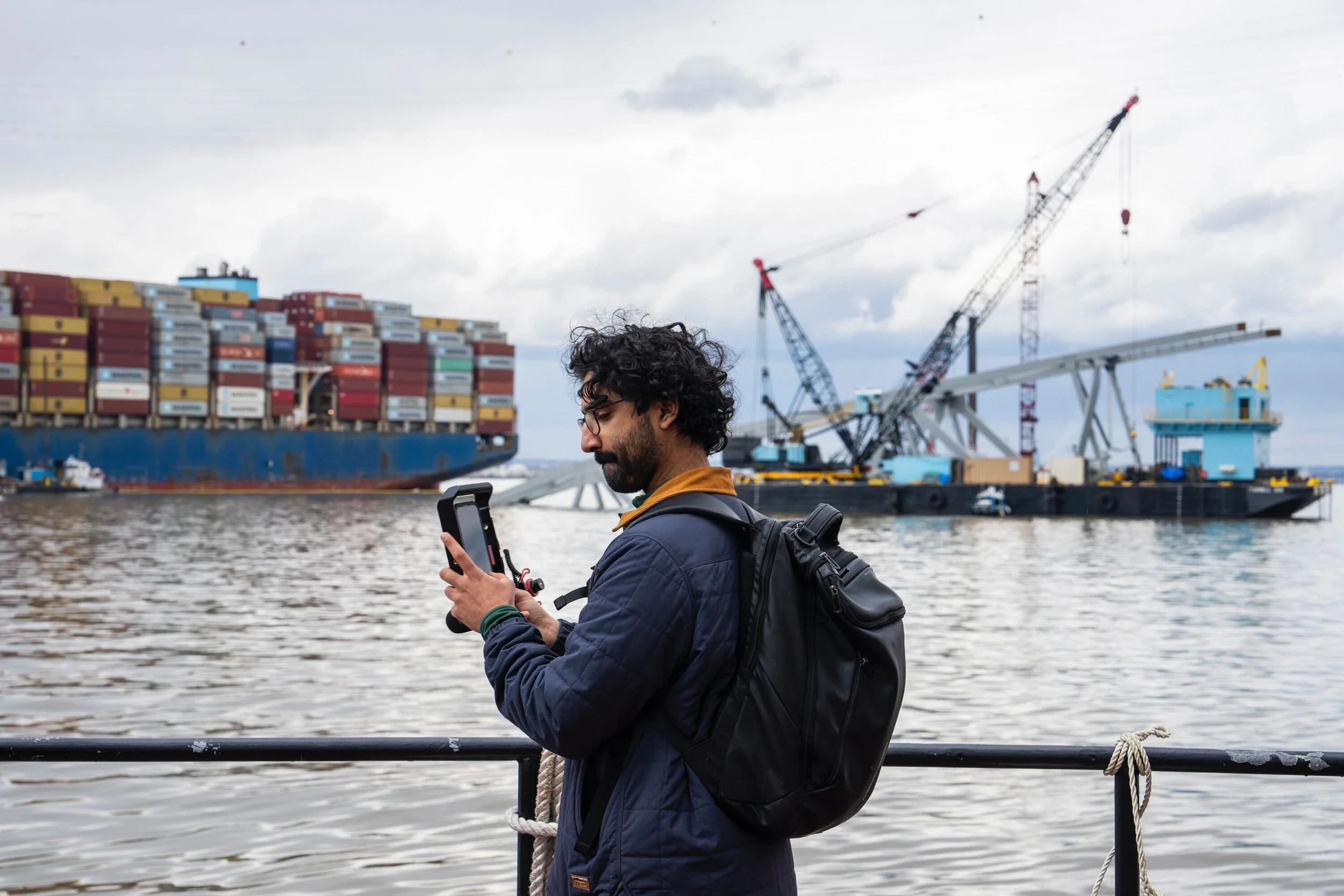
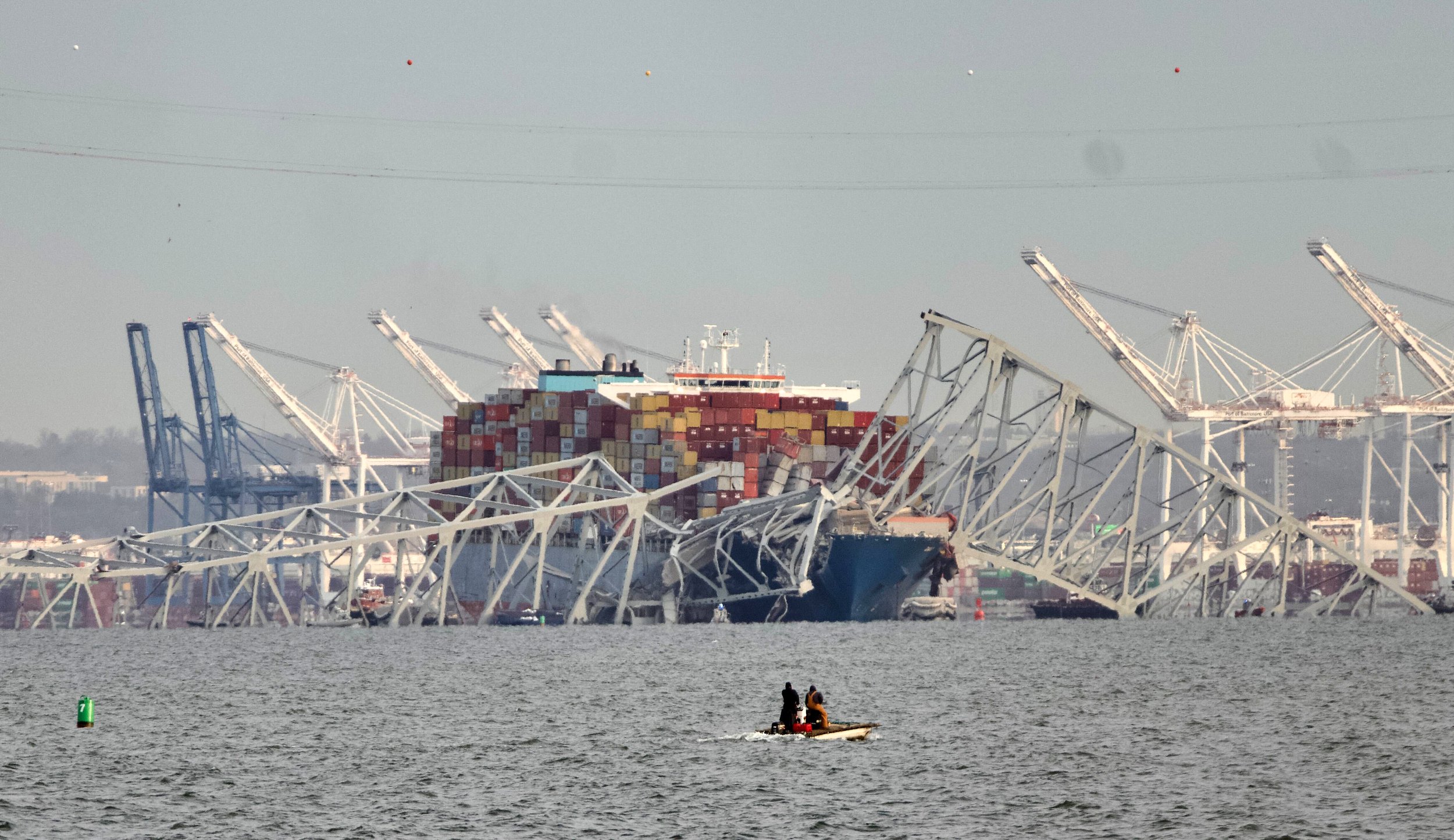
On March 26, 2024, the Francis Scott Key Bridge collapsed into the Patapsco River. Six construction workers were killed. The port of Baltimore, one of the most important on the East Coast, was shut down.
The Express Desk was ready.
Within hours, we mobilized cross-functional teams across editorial, visuals, social, and product. The newsroom published 110 stories across the coverage period, drawing on 39 different bylines. We balanced speed with accuracy and produced coverage that earned national recognition.
The results:
Nearly 1 million page views
591,000 unique visitors
760 new subscriptions sold
THE OUTCOME
The Key Bridge coverage earned The Baltimore Banner the 2024 IRE Award for Investigations Triggered by Breaking News and the National Headliner Award for Online Breaking News. More importantly, it proved that editorial excellence and audience growth are not competing priorities — they are the same thing, when you have the right infrastructure in place.
WHAT THIS ILLUSTRATES
This case study is an example of what I do: identify a gap, build a system, train a team, measure the results, and then use the infrastructure to capitalize on opportunity when it arrives. The breaking news coverage was the headline. The real work was the six months before it.