Education Week Platform & Content Strategy
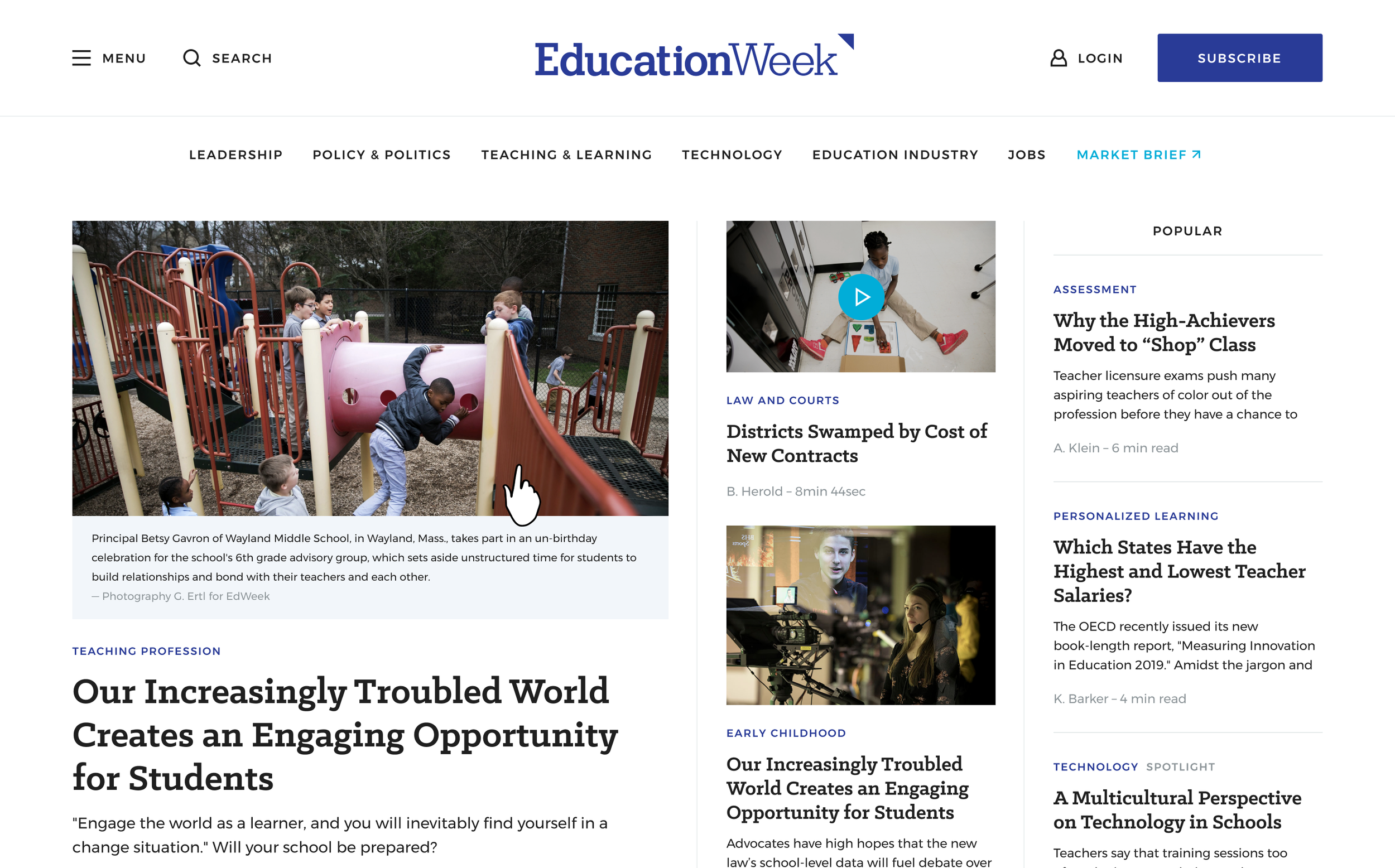
A full platform overhaul, launched in the middle of a pandemic, for an audience whose world had been turned upside down.
Platform Strategy · CMS · Digital Product · Brand
The Context
Education Week is one of the most specialized national media organizations in the countrya B2B news brand serving education decision-makers including superintendents, principals, curriculum directors, and policy makers. Its audience is highly engaged, deeply knowledgeable, and has little patience for content that doesn't serve their specific professional needs.
When I joined Education Week as Deputy Managing Editor for Visual and Immersive Experiences, the organization needed to do two things at once: modernize its digital platform and sharpen its content strategy for a more demanding, more digital audience. Then COVID-19 hit, and everything became more urgent.
My Role
I led the full platform transformation at Education Week, including CMS migration, site relaunch, UX strategy, editorial repositioning, and content strategy across all business units. The new edweek.org launched in December 2020. I also drove content and digital strategy across site, social, print, and broadcast for a national audience of education decision-makers, and aligned content strategy with subscription growth and revenue goals in close partnership with marketing and development teams.
The Work
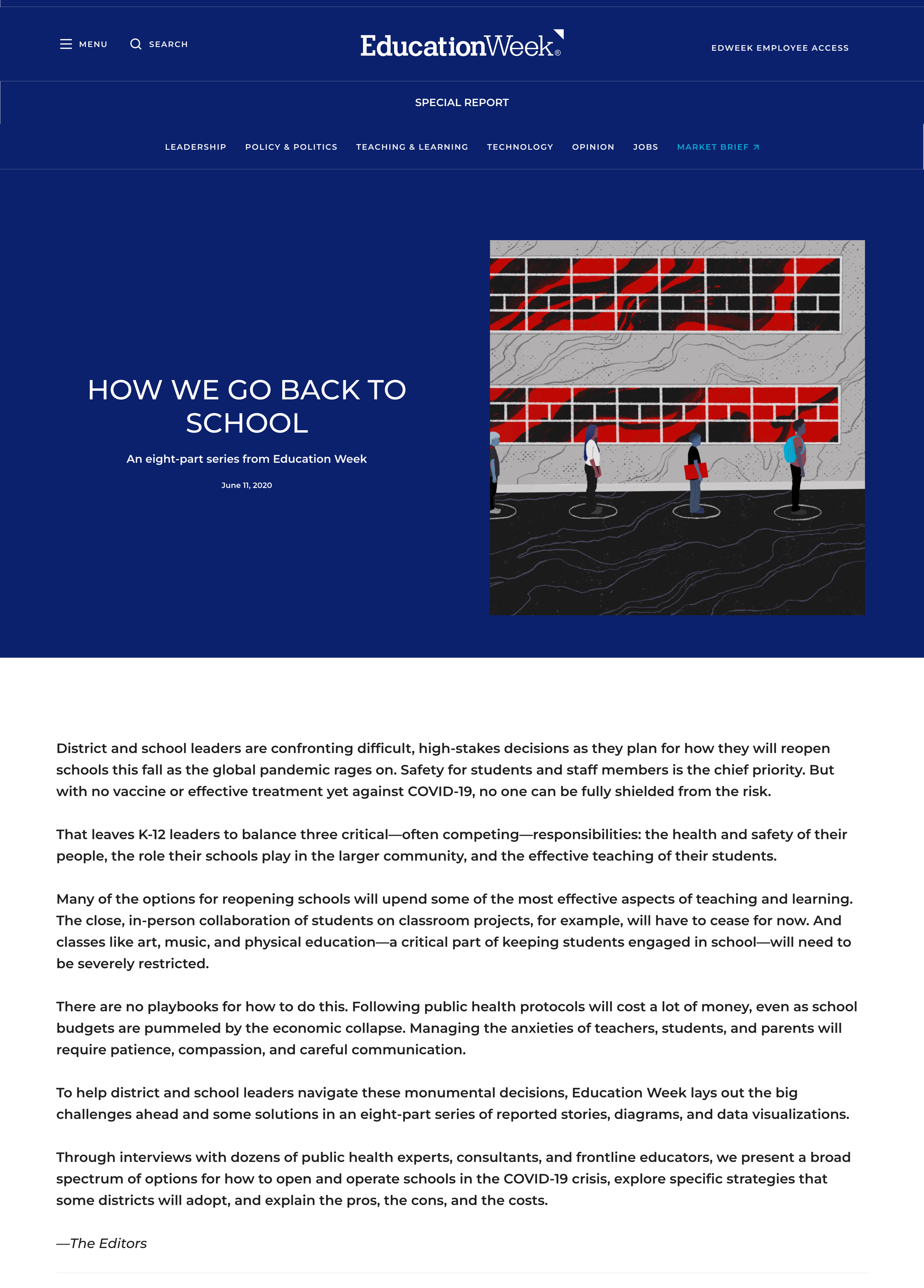
Platform strategy and relaunch. The edweek.org relaunch was a comprehensive rebuild, new CMS, new information architecture, new UX, new visual design, and a repositioned editorial voice designed to serve readers more directly and convert more effectively. Launching a major platform overhaul in December 2020, mid-pandemic, when the education world was in total upheaval, required exceptional cross-functional coordination and a clear editorial point of view about what the new site needed to do for readers.
Content strategy for a specialized audience. Education Week's readers don't have time for generic content. I built a content strategy across site, social, print, and broadcast that was deliberately useful — service journalism, data-driven analysis, and practical guidance designed for professionals who needed to make real decisions. This meant regular content audits, close collaboration with the editorial and research teams, and a clear framework for evaluating what content earned its place on the platform.
Subscription alignment. Like many specialized B2B media organizations, Education Week's revenue depended on a mix of subscriptions, grants, and institutional partnerships. I worked closely with marketing and development teams to ensure content strategy supported subscription conversion and retention, building editorial products that gave readers a clear reason to pay.
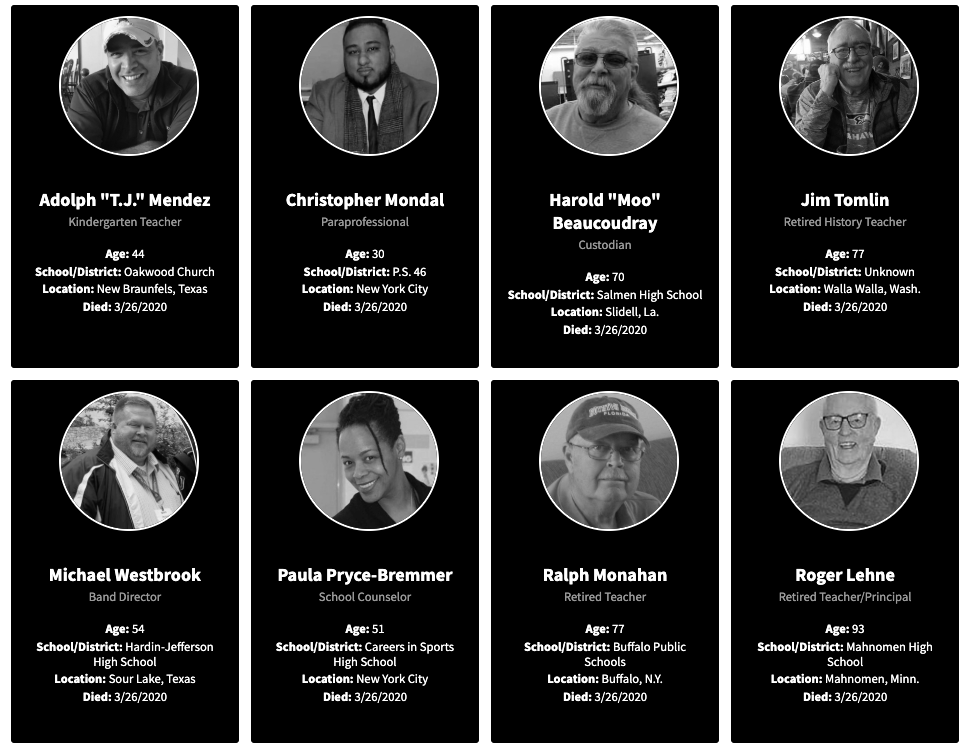
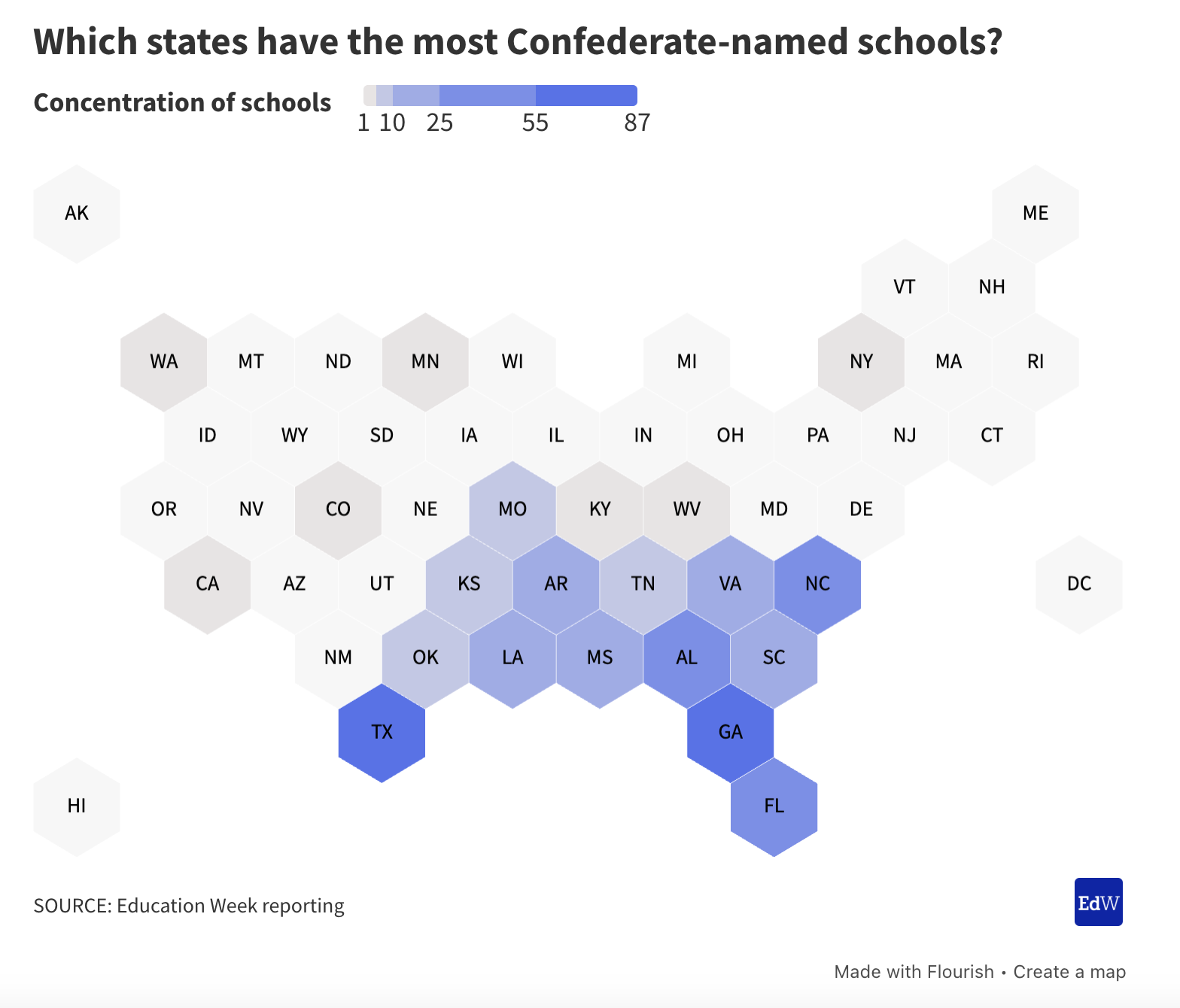
Multimedia and immersive storytelling. My specific role, Deputy Managing Editor for Visual and Immersive Experiences, reflects the scope of what I built: a multimedia content operation that expanded Education Week's storytelling beyond text into data visualization, interactive features, and video. The "A Year Interrupted" series, produced during the first year of the pandemic, won the Education Writers Association Eddie Prize.